Avon-by-the-Sea

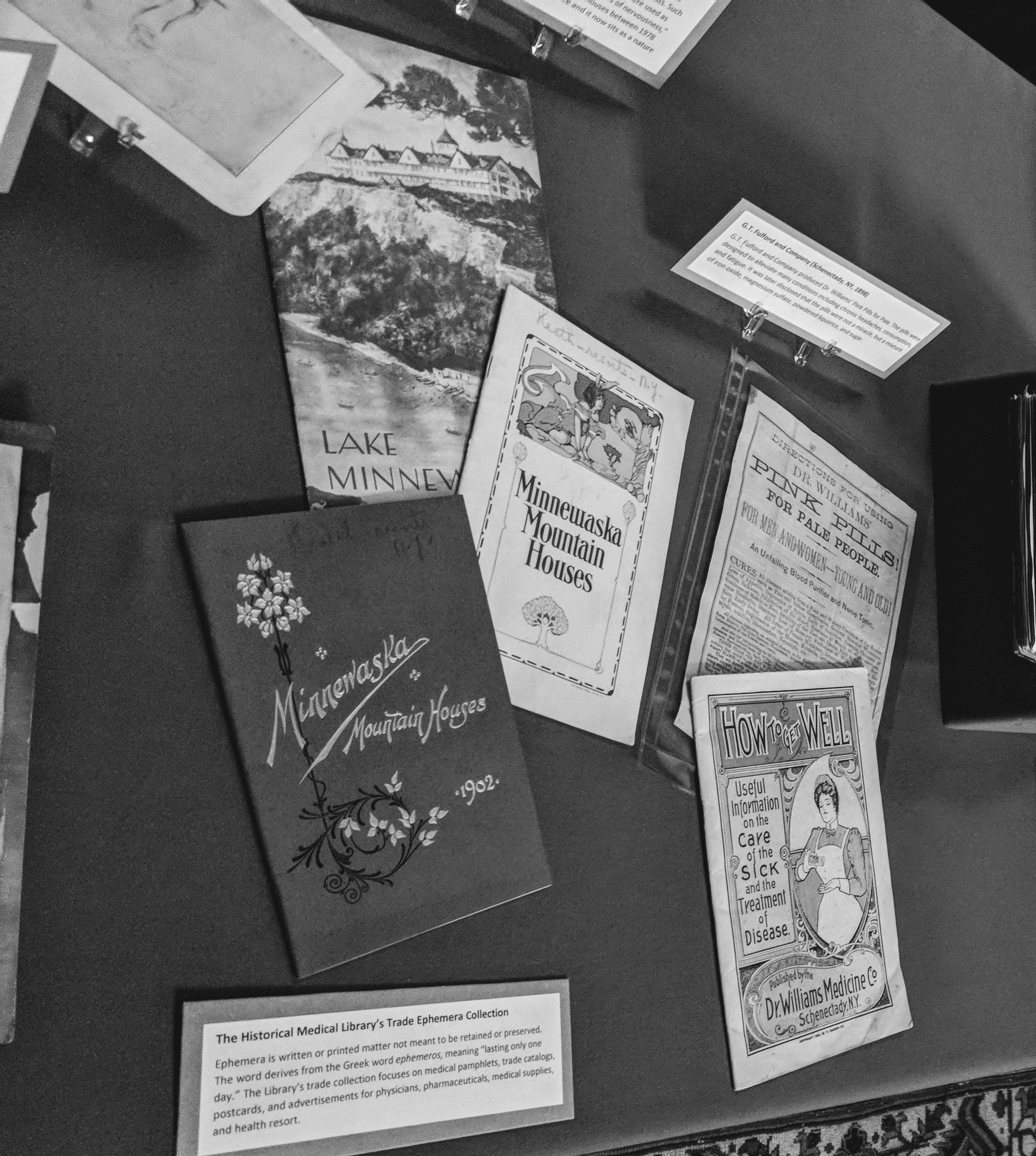
Are you still unsure of where to go for summer vacation? The Medical Trade Ephemera Collection at The Historical Medical Library may have some suggestions for you! Enjoy our suggestions over the next few months!

This month we are going to look at the New Jersey shore destination, Avon-by-the-Sea, often called simply “Avon” by locals. The Jersey Shore became a popular Victorian vacation spot for visitors from both Philadelphia and New York City. By 1878, Long Branch, Asbury Park, and Ocean Grove drew people to the beach every summer.

Read more

The Diversity of Hormone Therapies in the United States, 1920-1964

– by Kate Grauvogel*


With the isolation of estrogens, androgens, progestins, and insulin in the 1920s and 30s, boundless therapeutic uses for hormones became possible.[i] Fertility control, mental illness, and tuberculosis were just a few of the seemingly disparate problems that researchers attempted to treat or control by regulating hormones. My research adds to this picture by showing just how varied these uses were and how the community of researchers compared and coordinated their efforts. At the Historical Medical Library of the College of Physicians of Philadelphia, I discovered additional diverse uses for hormone therapies in the published works of Dr. Edward Strecker and the papers and published works of Dr. Max B. Lurie.

Read More

Battle Creek Sanitarium

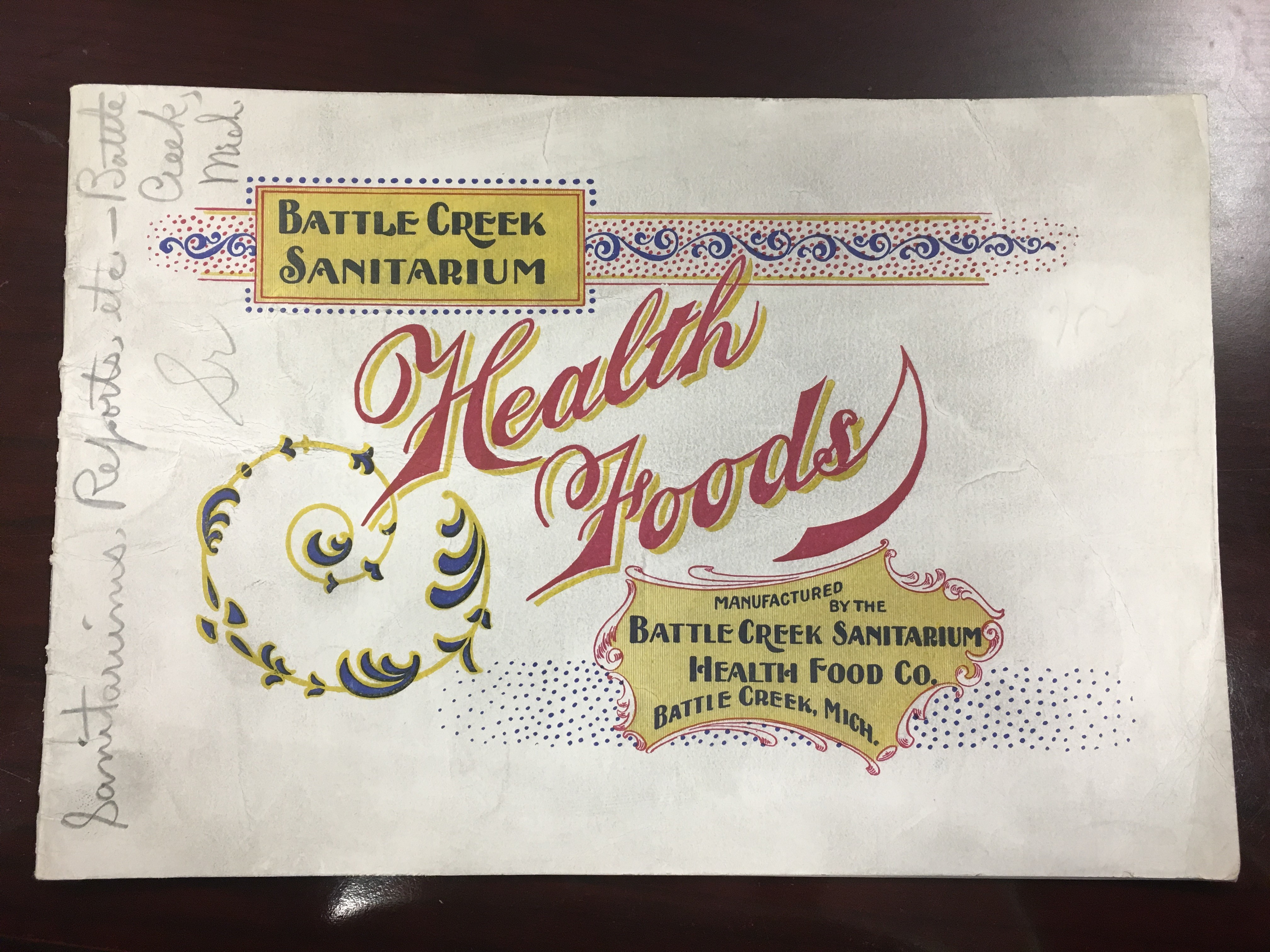
Looking for your beach bod? Some new found Battle Creek Sanitarium ephemera may be able to help you out! To read more about the company check out our digital exhibit here.

Battle Creek specialized in health foods, their most famous being cornflakes. The Sanitarium promoted a grain-heavy diet without stimulants and added sugars. Battle Creek sent out colorful ephemera to doctors and wealthy patients in hopes they would visit or buy their food through the catalogs.


Example of health foods listings

Read more

If You Build it, They Will Come (And Maybe They Will Read It Too)

Since starting as Digital Projects Librarian here at the Historical Medical Library of the College of Physicians of Philadelphia, one of my jobs has been to create new interpretive online exhibitions featuring unique aspects of our collections. Digital exhibitions are a great way to bring life to collections and to promote your institution. However, many exhibitions based on just text and images fail to be engaging in our age of constant clicking and easy distraction.

A plethora of articles exist showing that people do not engage with text online the same way they might if they were reading a book or a print article. Simply type “how people read online” into your favorite search engine and you’ll see headlines like, “How People Read Online: Why You Won’t Finish This Article” from Salon, or “Myth #1: People Read Online,” from the user design blog UXMyths. Indeed, a study by Jakob Nielsen, a prominent web usability expert, which tracked readers eyes as they read online, showed that only about 20% of the words of an average online text were actually being read. Studies like this show that online readers scan and click.

If you or your institution are going to be putting the time and effort into creating digital content around your collections, it is worth thinking about how to create digital exhibitions catered to people’s online behavior. Luckily, people in the digital humanities world have been thinking about this problem and have created tools for content creators to more easily build interactive and engaging exhibitions. I will be highlighting two such tools that I used in the creation of our last two major digital exhibitions.

Read More

Before Leprosy became Hansen’s Disease

– by Elizabeth Schexnyder*


I’m always on the lookout for materials that have a connection to leprosy. In particular to the leprosarium established in Carville, Louisiana. Hansen’s disease is another name for leprosy.

Last year, a visitor from Philadelphia toured the National Hansen’s Disease Museum in Carville, where I am the curator.  He suggested that I look into the collections at the Mütter Museum and Historical Medical Library. He thought we had much in common.  And so we did.

Read more

Why Wood-n’t You Want to Be An Archivist?

– by Carly Schanock, Archives intern


As a graduate student in the Library and Information Sciences program at Drexel, you learn a lot about theory and read many articles about archives and archival work from those who have experience in the field. I couldn’t help but be jealous of those with practical experience in the archival field as there is only so much you can learn from reading. I’d previously done work with digital archives so I wanted an opportunity to work with physical materials. I had visited the Mütter Museum one weekend but hadn’t realized at the time that they also had a library and archives. It was during one of my graduate courses at Drexel that I had to interview an archivist. I discovered the Historical Medical Library and ended up touring there for the class. Luckily, just a short time later I received an email about an archives internship available at the Historical Medical Library and I jumped on the chance. I began my internship at the Historical Medical Library in January 2018.

Read more